5 Effective Ways to Increase Yield in Hydroponic Farming
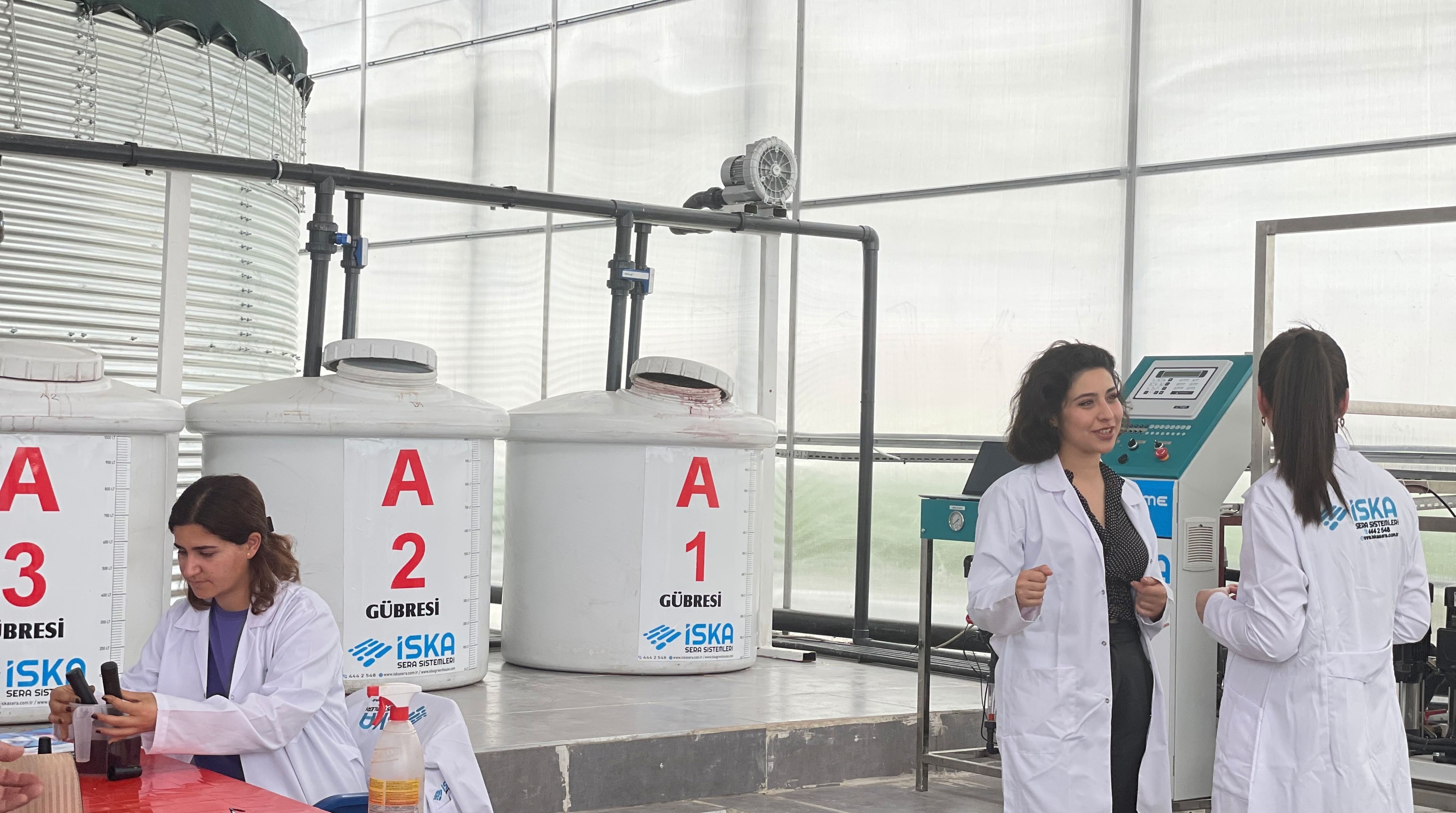
Hydroponic farming is a modern production method providing high yields where plants receive necessary nutrients directly from water-based solutions. With correct practices, yield can increase by 30–60% compared to traditional agriculture. Paying attention to specific technical points when producing in hydroponic, NFT, or cocopeat systems directly affects both quality and production continuity. Below, you can find the 5 most effective ways to increase yield in hydroponic farming.
1. Correct Nutrient Solution and Regular EC/pH Control
The fundamental determinant of yield in hydroponic farming is the balance of the nutrient solution. Adjusting EC and pH values according to the plant species maximizes nutrient uptake.
Points to consider:
Ideal pH for tomatoes and vegetables: 5.5 – 6.5.
The EC value must be adjusted according to the plant's growth stage.
The nutrient solution must be kept clean, and tanks should be renewed regularly.
Plants experience stress in unbalanced solutions, causing growth to slow down and yield to drop. Therefore, automatic dosing systems provide a great advantage in production.
2. Ideal Light Management: Natural and LED Lighting
Plants need sufficient light to photosynthesize. Especially during winter months or in indoor greenhouses, LED lighting systems ensure production continuity.
Lighting suggestions for yield:
Using Full-spectrum LED supports growth.
Daily lighting duration should be between 12–18 hours.
Light intensity should be adjusted according to the plant species.
A professional lighting system can increase growth speed by up to 20%.
3. Automation and Continuous Monitoring Systems
The most modern way to increase yield is through full automation systems. Thanks to sensors, water, nutrient, temperature, and humidity values are monitored in real-time.
Advantages of automation:
Minimizes human error.
Ensures continuous production without creating plant stress.
Reduces costs with lower water and energy consumption.
Remote-controlled systems directly increase yield, especially in large greenhouse investments.
4. Temperature and Humidity Balance
Climatization is one of the most important issues in hydroponic greenhouses. Disruption of the temperature and humidity balance negatively affects plant development.
Points to watch out for:
Ideal temperature for tomatoes: 18–26°C.
Humidity rate: 60–75%.
Ventilation, thermal screens, and fogging systems must work in unison.
İska Sera Systems offers climate panels and sensor-supported solutions that manage these processes automatically.
5. Pest Management (Biological Control)
Pest management is critically important to maintain high yields in hydroponic farming. While chemical pesticides are used in traditional methods, biological control—reducing pest populations using natural enemies—stands out in modern greenhouse cultivation. It both protects plant health and ensures safer, residue-free products.
Points to consider in biological pest management:
Predatory insects (e.g., Amblyseius swirskii, Orius laevigatus) naturally suppress pests like whiteflies, thrips, and red spider mites.
Parasitoid wasps (Encarsia formosa) are very effective, particularly in whitefly control.
Sticky yellow traps should be used to measure pest density and for early detection.
If chemical pesticide use is necessary, it must be done in a very limited and controlled manner to avoid disrupting the biological balance.
Regular implementation of biological control reduces plant stress and ensures sustainable, high-quality production. Furthermore, managing pests via natural methods provides a significant advantage in complying with international export standards.