Drip Irrigation Systems: A Guide to Water and Fertilizer Saving
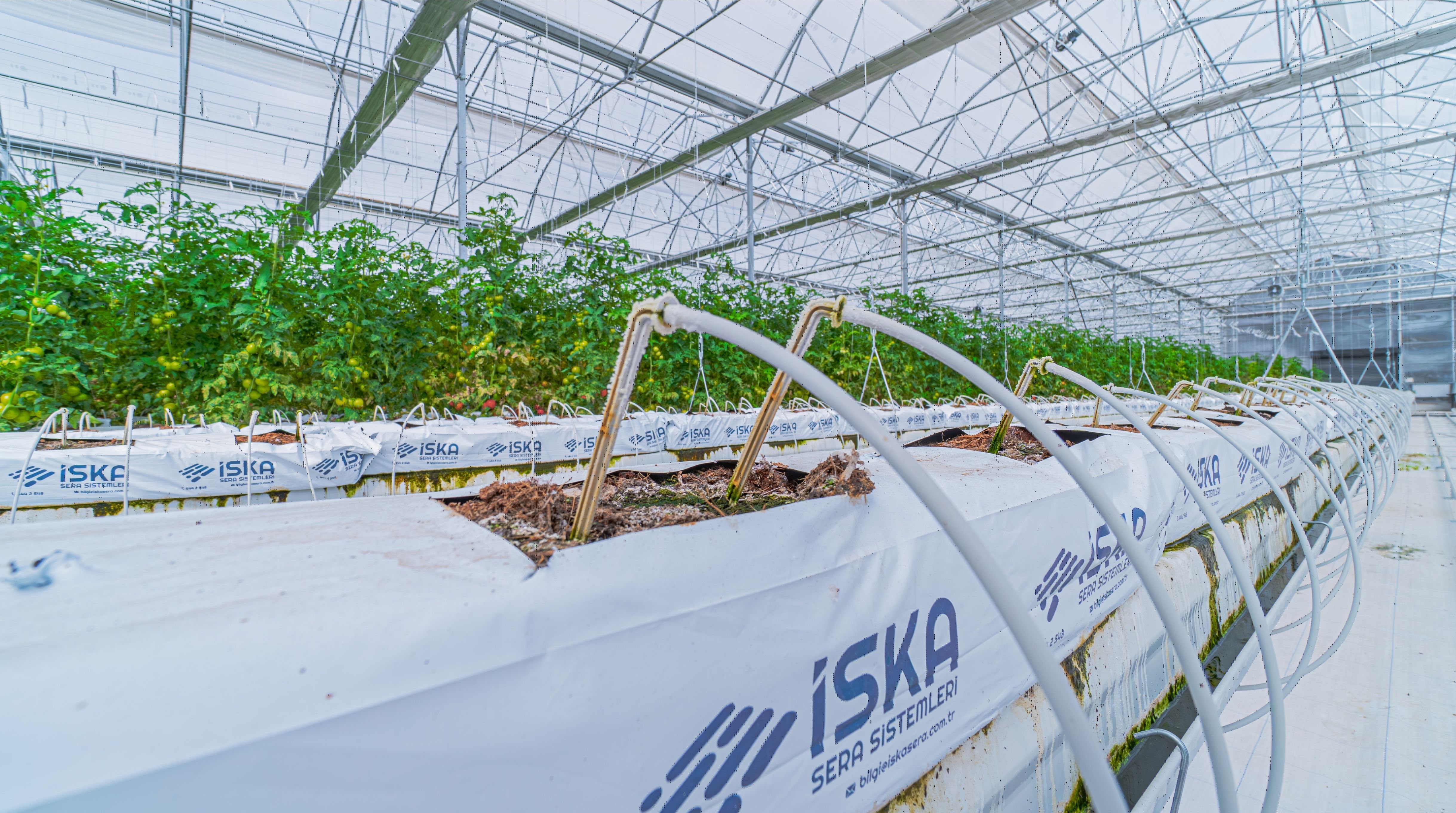
In modern agriculture, rising input costs and global water scarcity force producers to utilize every drop of water and every gram of fertilizer in the most efficient way possible. Traditional "flood irrigation" methods cause a large portion of water to be lost through evaporation or surface runoff, while also washing away nutrients in the soil.
The engineering answer to this problem is Drip Irrigation Systems, which have revolutionized agricultural productivity. In this guide, we will examine how these systems work and how they provide resource savings of up to 50% for your business.
What is Drip Irrigation and How Does It Work?
Drip irrigation, in its simplest definition, is the method of delivering the water and nutrients needed by the plant directly to the plant's root zone "drop by drop" via special drippers (emitters) under low pressure.
The heart of the system is a filtration unit that improves water quality and a fertilizer injection system (Fertigation) that mixes plant nutrients into the water. This nutrient-rich water coming from the main pipes reaches the soil through precise holes on the dripper pipes (laterals) laid in the field or greenhouse.
This method wets only a limited area where the plant root is located, not the entire field. Under the soil, an "onion-shaped" wet volume is formed around the roots, and the plant meets all its needs from here.
Double Gain: Water and Fertilizer Saving
The biggest advantage of drip irrigation systems is their incredible efficiency in resource use.
1. Maximum Water Efficiency (90%+ Success)
In traditional sprinkler or flood irrigation methods, a significant portion of water evaporates in the air, drifts with the wind, or seeps to depths the plant cannot reach. Water use efficiency in these methods is around 40-60%.
In drip irrigation, however, water is delivered directly into the soil, right next to the roots.
No Evaporation Loss: Since water does not contact the air significantly, evaporation is minimal.
No Surface Runoff: Since water is delivered slowly, the soil absorbs the water, and no pooling occurs on the surface.
Weed Control: Since the inter-rows remain dry, weed development decreases significantly, ensuring water is used only by the target plant. Thanks to this, water use efficiency rises above 90%, and up to 50% water saving is achieved.
2. Fertilizer Saving with Fertigation (Precise Targeting)
When plant nutrition is integrated with irrigation (fertigation), fertilization efficiency peaks. In the method of scattering solid fertilizers on the soil, some of the fertilizer cannot reach the plant root, and some is washed away (leaching) by excessive irrigation.
Thanks to fertilizer tanks integrated into the drip irrigation system, water-soluble fertilizers are injected directly into the root zone at the exact time and amount needed. The plant instantly takes this ready nutrient delivered right to its root tip. Thanks to this "pinpoint" feeding, savings between 30% and 50% are achieved in fertilizer use, while plant growth accelerates and groundwater pollution is prevented.
In conclusion; Drip irrigation systems are not a cost, but a strategic investment that amortizes itself in a short time. This technology, which allows you to obtain more and higher quality products with less water and fertilizer, is the cornerstone of modern and sustainable agriculture.