Greenhouse Management with Smart Farming Technologies: How Does the Future of Farming Work?
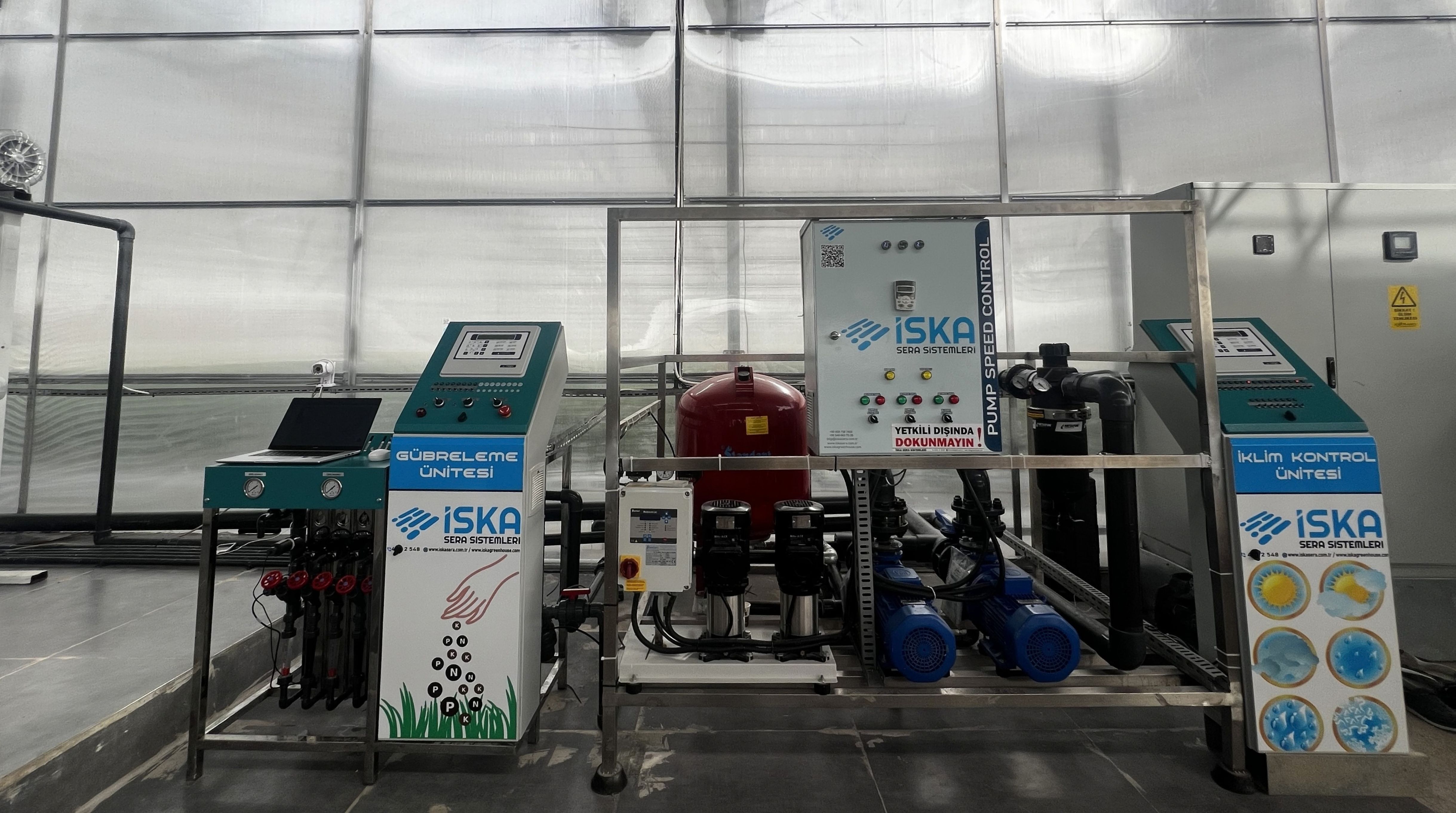
The Digital Transformation of Agriculture: Smart Greenhouse Management Systems
Today, the agricultural sector is undergoing a major transformation under pressures such as increasing food demand, water scarcity, and energy costs. At the center of this transformation are "Smart Agriculture Technologies," which are replacing traditional, experience-based methods. Especially in indoor production—that is, greenhouse farming—these technologies enable a shift from prediction-based management to fully data-driven, precise, and autonomous production.
So, how does a digitized greenhouse operate? This integrated management process, extending from sensors to artificial intelligence, transforms farming into a "plant factory" discipline. This technological ecosystem, which eliminates human error, creates a perfect cycle in four main strategic steps.
The 4 Fundamental Stages of Integrated Smart Greenhouse Management
A modern smart greenhouse is a complex engineering structure that matches the biological needs of the plant with digital data. Each stage works in an interconnected manner to increase efficiency and prevent resource waste.
1. Precision Data Collection: The Greenhouse's Sense Organs (Sensor Network)
The foundation of a smart greenhouse is the ability to instantly "feel" the environment. Advanced sensor networks act as sense organs, placed in the greenhouse soil, air, and near the plants. Critical parameters such as soil moisture, ambient temperature, air humidity, light intensity (PAR), EC/pH values, and carbon dioxide levels are measured uninterruptedly 24/7. This network transfers instant data to a digital Cloud system.
2. Automatic Control: Climate and Irrigation Management
Raw data collected in the cloud is instantly processed by smart control units in the greenhouse. There is no longer a need for delayed decisions; the system automatically takes action based on predetermined ideal set values. When a sensor signals "moisture has dropped," irrigation begins; when light levels change, shading screens or ventilation windows are adjusted with millimetric precision. This means maintaining optimum growth conditions second by second.
3. Data Analysis and AI-Supported Efficiency
The most value-added part is "making sense" of the data. Artificial Intelligence (AI) algorithms analyze massive piles of Big Data to begin predicting the future. The AI brain finds answers to questions like "Under which conditions was the highest yield obtained?" or "When do disease risks increase?", developing the most flawless growth strategies for the plant and constantly increasing efficiency.
4. Remote Management: Freedom of Mobile Access
Technology liberates the grower from being physically tied to the greenhouse. User-friendly interfaces allow all processes to be monitored via a tablet or smartphone. Wherever they are in the world, the producer can watch the greenhouse live, check sensor data, review past reports, and intervene remotely in the system in case of emergencies.
Conclusion: Maximum Quality with Minimum Resources
Greenhouse management integrated with smart agriculture technologies is a necessity for sustainability. Thanks to these systems, resources such as water, energy, and fertilizer are used much more precisely and sparingly, while human error is minimized. The result is lower operating costs and a harvest of higher tonnage, standardized, and "premium" quality products.
To carry your facility to the agricultural standards of the future and increase your profitability through autonomous management systems and AI integration, contact our expert technology team today.