Greenhouse Systems: The Foundation of Modern Agriculture
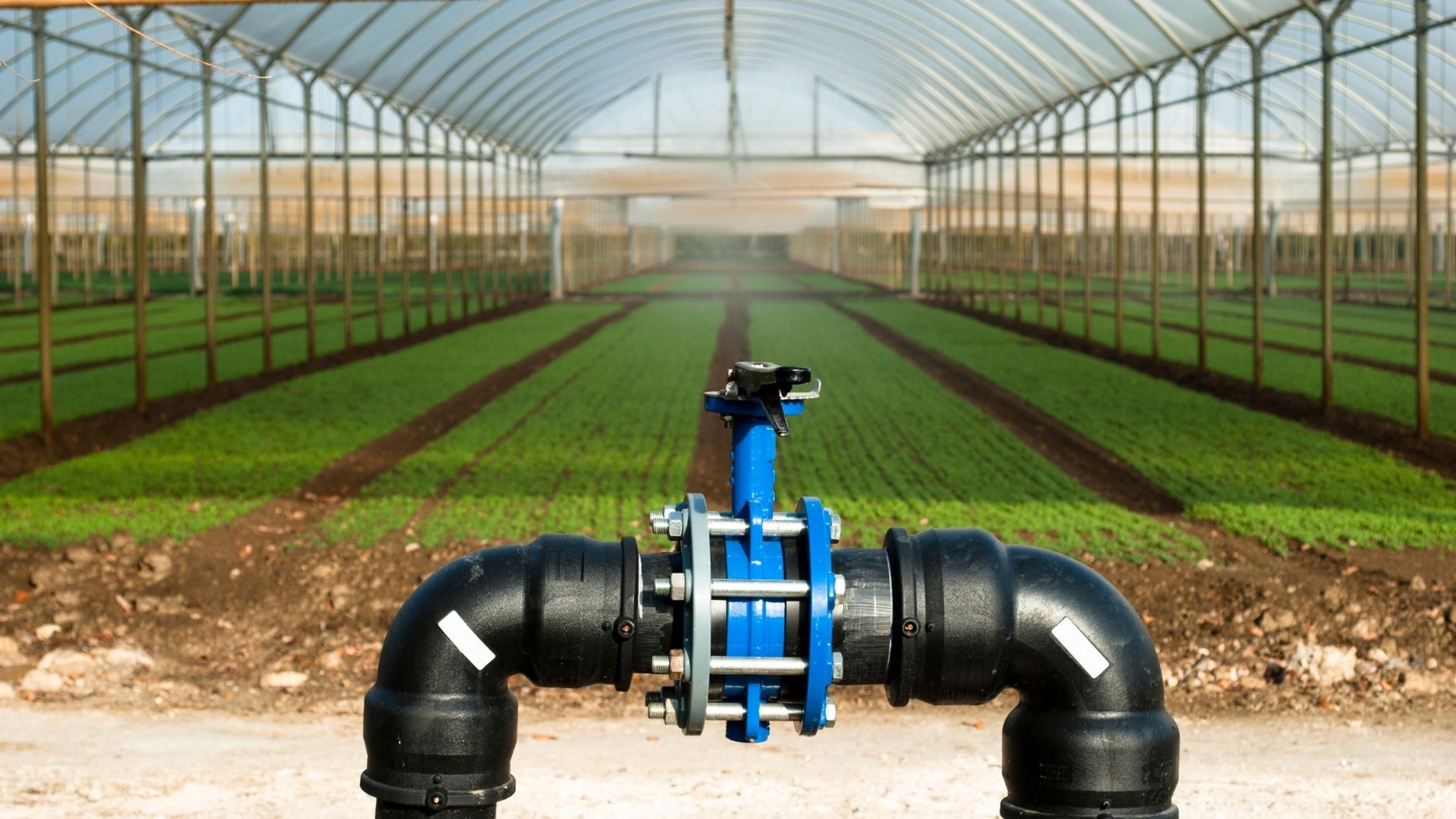
Agriculture has always been vulnerable to external factors such as unpredictable weather, soil degradation, and pests. To overcome these challenges and ensure stable food production, greenhouse systems have become an indispensable part of modern agriculture. Far beyond being just simple covered structures, today’s greenhouse systems are highly advanced and adaptable solutions designed for both small-scale growers and large-scale industrial farms.
At their core, greenhouse systems create a controlled environment where plants can grow independently of outside conditions. However, the technology behind modern greenhouses has advanced significantly. With the help of climate control, irrigation, and automation, greenhouse systems now provide consistent and high-quality crop production throughout the year.
One of the most common distinctions is between soil-based and soilless (hydroponic) greenhouses. While traditional soil-based systems are still widely used, hydroponic systems are gaining popularity due to their efficiency in water and nutrient usage. In hydroponic greenhouses, plants receive nutrients directly through specially prepared solutions, resulting in faster growth and higher yields.
Another critical aspect of greenhouse systems is climate control technology. Today’s greenhouses are equipped with heating, cooling, ventilation, and humidity regulation systems that allow growers to precisely manage growing conditions. This means that even in regions with extreme climates, crops can be cultivated with consistent quality and yield.
Greenhouse systems also serve as an economic investment tool. Unlike traditional open-field farming, where output is heavily influenced by weather and seasonal factors, greenhouse production can be carried out continuously throughout the year. This ensures a steady supply of crops such as tomatoes, cucumbers, strawberries, and peppers, which are always in high demand. By producing off-season crops, growers can achieve higher market prices and maximize profitability.
Modern greenhouse systems come in many forms to suit different needs. Plastic-covered greenhouses provide a cost-effective entry point, glass greenhouses offer durability and better light transmission, while advanced polycarbonate or high-tech greenhouses integrate full automation for irrigation, fertilization, and climate control. The choice of system depends on budget, crop type, and production goals.
Ultimately, greenhouse systems are not just about building structures; they represent a long-term strategy for agricultural success. Proper planning, the use of quality equipment, and professional guidance are essential to maximize efficiency. When managed correctly, greenhouses can transform agricultural production into a reliable, scalable, and profitable business model.
In conclusion, greenhouse systems stand as the backbone of modern farming. By enabling year-round, high-quality production, they help farmers meet growing global food demands while ensuring economic sustainability. In an era where climate change and food security are critical concerns, greenhouse systems are set to play an even more central role in shaping the future of agriculture.