Hydroponic Greens Greenhouse: What It Is, Its Advantages, and the 4-Step Installation Process
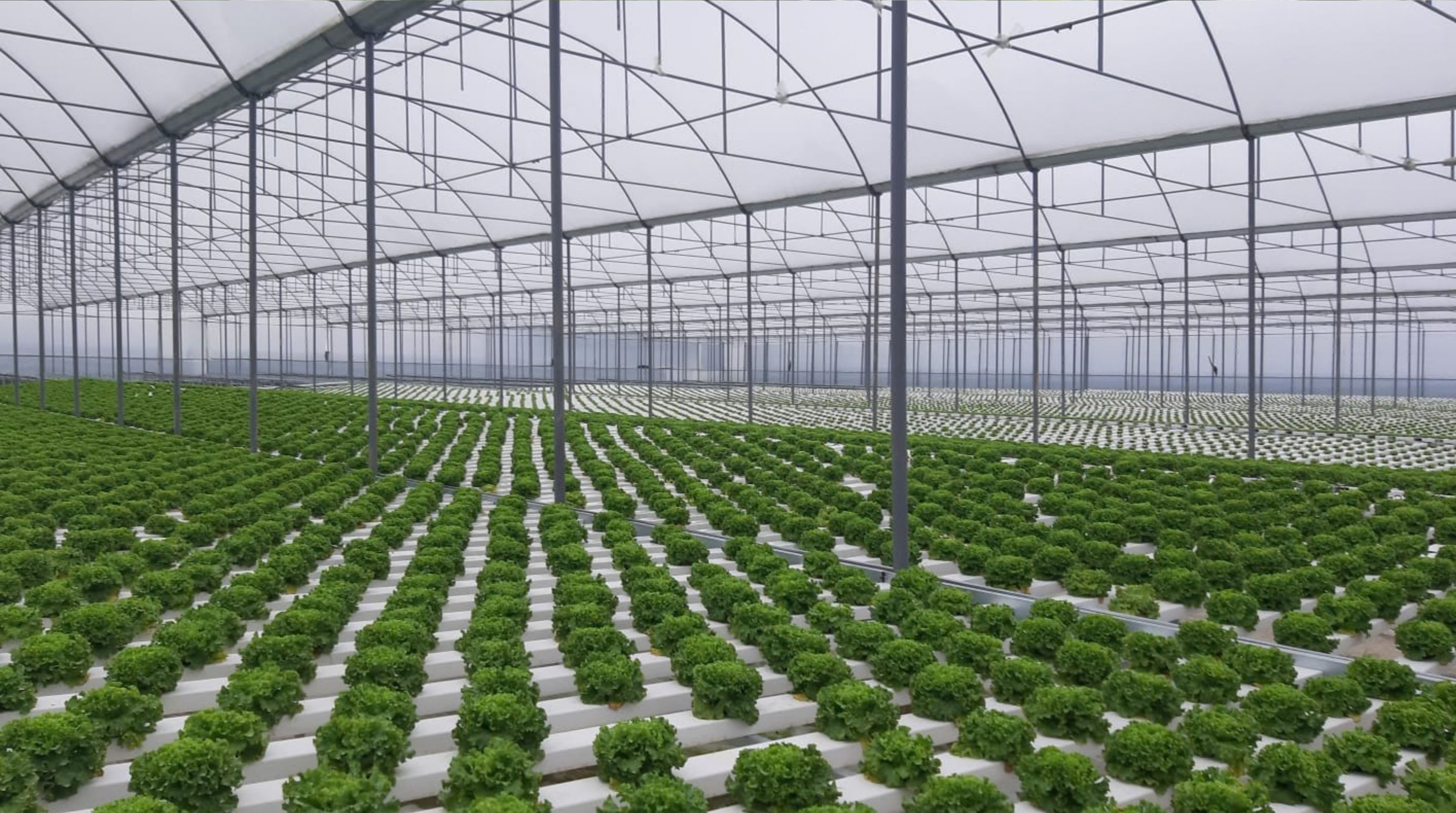
The Future of Agriculture: Hydroponic Greens Greenhouses
Population growth, water scarcity, and the increasing demand for healthy food are pushing the limits of traditional agriculture and making modern production methods essential. One of the leading solutions, known as “the agriculture of the future,” is the hydroponic greens greenhouse, which enables the cultivation of fresh produce in controlled environments without the need for soil.
So how do these high-tech systems work, why should they be preferred, and how are they established? Below are the fundamentals of hydroponic agriculture. These systems transform farming from a struggle against nature into a controlled "production engineering" process.
What Is a Hydroponic Greens Greenhouse? (Soilless Agriculture)
In its simplest definition, a hydroponic greenhouse is a modern agricultural facility where plants are grown not in soil, but in a specially prepared nutrient solution containing all the minerals and elements they require.
For leafy greens production (lettuce, arugula, basil, mint, etc.), one of the most commonly used and efficient methods is the Nutrient Film Technique (NFT). In this system, plants are placed in gently sloped PVC pipes or specially designed channels. The plant roots come into contact with a continuously flowing, shallow layer of nutrient-rich water inside these channels. As a result, plants have direct access to water and nutrients and can devote their energy to growth rather than searching for nutrients.
The Key to Sustainable Productivity: Advantages of Hydroponic Systems
Transitioning to soilless agriculture is not just a change in method, but a shift toward a sustainable, environmentally friendly, and profitable production model. The main operational and financial advantages of hydroponic systems include:
1. Up to 90% Water Savings
Hydroponic systems operate in a closed loop. Water that is not absorbed by plants returns to the reservoir, is filtered, its nutrient balance is adjusted, and then recirculated into the system. Thanks to this cycle, water consumption can be reduced by up to 90% compared to traditional open-field irrigation, making it a revolution for water-scarce regions.
2. High Yield per Unit Area and Vertical Farming
Without soil limitations, plants can be grown closer together. In addition, the system allows for vertical (multi-tier) farming applications. As a result, significantly higher yields per square meter are achieved compared to conventional farming methods, making it ideal for urban agriculture.
3. Clean, Pesticide-Free, and Healthy Produce
Since no soil is used in production, the risk of soil-borne pests, pathogens, and diseases is minimized. This greatly reduces or completely eliminates the need for pesticides. The result is clean, residue-free produce that consumers prefer in premium retail markets.
4. Year-Round, Climate-Independent Production
In modern climate-controlled greenhouses, external weather conditions (snow, frost, extreme heat) do not interrupt production. Continuous production is possible 365 days a year, enabling growers to meet market demand consistently and benefit from seasonal price fluctuations.
Step-by-Step Hydroponic Greenhouse Installation Process
A successful and efficient hydroponic production facility requires a well-planned engineering process. Professional installation directly impacts the Return on Investment (ROI):
- Step 1: Planning and Design: The foundation of the investment is laid. Land analysis is conducted, water quality is tested, the most suitable NFT system is selected, and a detailed layout plan is prepared through engineering calculations.
- Step 2: Greenhouse Structure and Infrastructure: A steel structure resistant to local climate conditions is installed and covered with high-quality polycarbonate or specialized film. Ground leveling, water storage areas, and electrical infrastructure are prepared.
- Step 3: Installation of the Hydroponic System: Growing channels, main nutrient tanks, circulation pumps, filters, and automation units are integrated. The water circulation system—the heart of the operation—is established here.
- Step 4: Transplanting and Commissioning: After the system is tested for leaks and automation responses, healthy seedlings are placed into the channels. The nutrient solution is introduced, and the first production cycle begins under expert supervision.
Conclusion: Hydroponic greens greenhouses represent the future of agriculture by conserving water resources, maximizing yield, and enabling the production of healthy food. With proper planning and professional installation, these systems offer investors a sustainable and profitable business model.