Soilless Agriculture
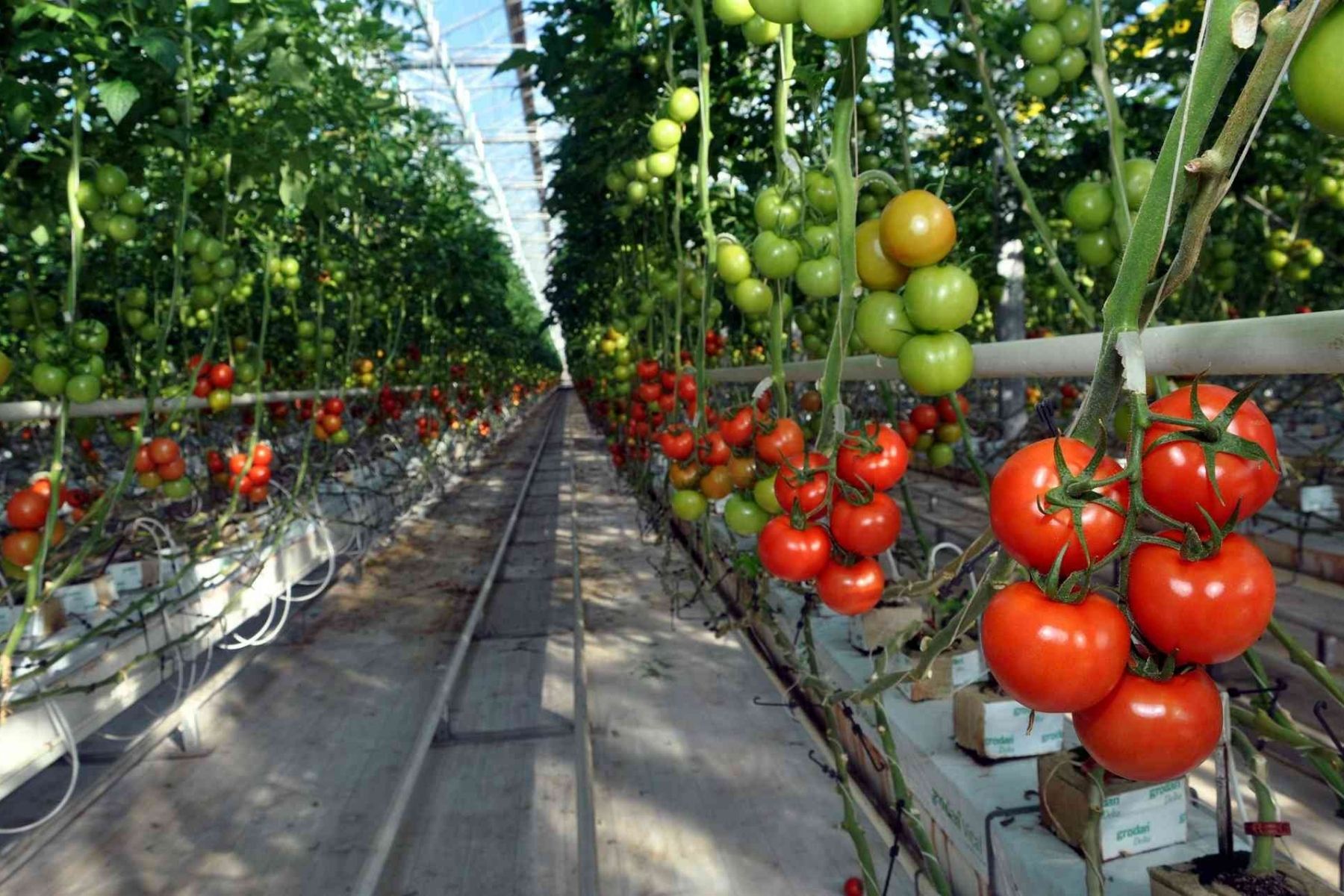
Soilless Farming Models Are Practiced Worldwide and Increasingly Adopted
Soilless farming models are being implemented around the world and are being tried by more and more people every day. This system, which is based on meeting the nutritional needs of crops not through soil but via water or air, is also attracting the attention of our innovative farmers. You can find detailed information on soilless farming types such as hydroponic agriculture in our article.
What Is Soilless Farming?
Imagine a new system of crop production without soil, waste, or pesticides—this is exactly what soilless farming represents. A more cost-effective, less chemically intensive, space-efficient, and resource-saving method of production, soilless farming can be applied both vertically and horizontally. It enables farmers to have more control over production, saves time and labor, and is considered the agricultural model of the future. Soilless farming can be practiced through different techniques.
How Is Soilless Farming Done? What Are Its Techniques?
Hydroponic, aquaponic, and aeroponic cultivation techniques form the basis of soilless farming. Vertical farming, which increases the yield per unit area, can be used in conjunction with these methods and offers a fertile alternative to traditional soil-based agriculture by enabling year-round production.
Soilless Farming Techniques and Details:
Aeroponic System:
This air-based system is known as aeroponics. Based on a bare root system, this technique delivers nutrients in intermittent or continuous mist. Timed pumps are used, and nutrients are sprayed from a reservoir onto suspended roots in a closed or semi-closed environment. The open root’s access to oxygen is enhanced, supporting plant growth. While traditionally horizontal, newer forms include vertical designs. Aeroponic systems come in low-pressure, high-pressure, and ultrasonic-pressure types, with costs varying accordingly. Low-pressure systems are the most affordable and common. High-pressure systems provide more oxygen with atomized mist, requiring advanced equipment. Ultrasonic systems, used in commercial farming, mimic ideal humidity and are preferred for high-value crops.
Aquaponic System:
Defined as an integrated fish-plant farming system, aquaponics combines soilless farming with aquatic life. Wastewater from fish farming, rich in nutrients, feeds crops. This system has two main components: aquaculture and hydroponics. The fish type affects fertilizer quality. In the hydroponic section, germinated plants are supported by neutral pH media like peat, gravel, perlite, rock wool, or clay pebbles. Light is crucial for plant growth, supplemented by artificial lighting if needed.
Hydroponic System:
The first discovered soilless farming method, hydroponics relies on water. Plants grow either directly in nutrient solutions or in solid media. It’s divided into open and closed systems, or into liquid and aggregate systems. In liquid systems, no solid medium is used; in aggregate systems, plants are rooted in containers filled with substrates like peat, sawdust, or bark. Nutrient solution is delivered via drip or sprinkler systems.
Crops Suitable for Soilless Farming
Different crops can be grown using different soilless systems.
-
Aeroponics: Lettuce, cabbage, mint, basil, thyme, rosemary, spinach, chives, ginger, dill, nettle, sage, parsley, broccoli, cauliflower, carrot, cucumber, pepper, radish, beetroot, tomato, eggplant, strawberry, peas, potatoes.
-
Aquaponics (commonly uses trout, carp, freshwater bream): Lettuce, tomato, cucumber, zucchini, cabbage, spinach, strawberry, watercress, basil, cilantro, parsley, garlic, mint, dill, arugula, chard, beans, peas.
-
Hydroponics: Lettuce, mint, spinach, chives, cucumber, tomato, strawberry, dill, thyme, rosemary, anise, bell pepper, watercress, beans, watermelon, melon.
Setup and Maintenance Cost of Soilless Farming
Costs vary depending on greenhouse structure, covering materials, seedling type, fertilizers, system type, and greenhouse size. The construction must consider wind resistance and the load of rain, snow, and crops. The choice of soilless farming technique greatly affects the budget. For instance, low-pressure aeroponic systems are much cheaper than ultrasonic systems. To get the highest yield, consult with experts to select the most suitable and cost-effective method. Also, many materials are imported, making costs subject to currency exchange rates. For up-to-date pricing and suitable systems, you can contact Iska Sera, a provider of advanced greenhouse technology in Turkey and worldwide.
Soilless Farming Fertilizer
Plant growth in soilless farming depends on nutrient intake. The correct solution and fertilizer are crucial. Unlike soil, soilless media have low cation exchange capacity, and micronutrient fertilization becomes essential. Since roots directly absorb nutrients, high-quality fertilizers must be used. The response time to fertilizers is very fast in soilless systems. Essential nutrients include carbon, hydrogen, oxygen, nitrogen, phosphorus, potassium, calcium, magnesium, sulfur, chlorine, copper, iron, manganese, molybdenum, zinc, and boron. Carbon, hydrogen, and oxygen are provided through CO₂ and water, so nutrient solutions focus on the rest. Also, pH and EC levels must be carefully adjusted when preparing these solutions.