Soilless Vegetable Greenhouse: The Future of Sustainable and Efficient Farming
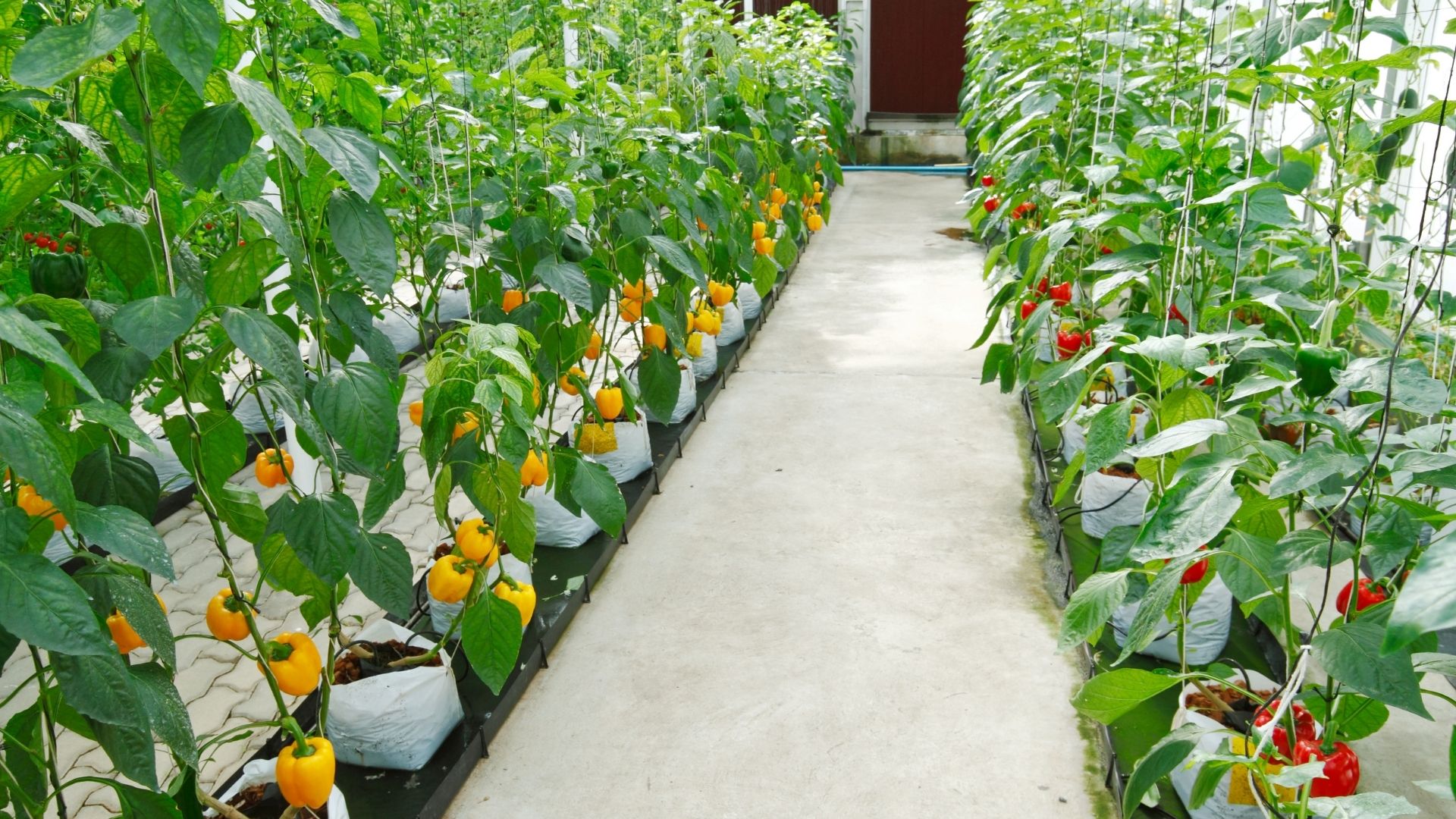
Vegetables are one of the most essential components of human nutrition. However, traditional vegetable production largely depends on climate conditions, soil quality, and seasonal availability. This creates significant challenges for both producers and consumers. Off-season production is often costly and difficult, while consumers struggle to access their preferred vegetables throughout the year. One of the most effective solutions modern agriculture offers to overcome these issues is the soilless vegetable greenhouse.
In soilless vegetable greenhouses, plants are grown not in soil but in special growing mediums such as cocopeat, perlite, or rockwool, or directly in nutrient-rich solutions. Because roots receive all the necessary minerals in a controlled manner, plant growth accelerates, yields increase, and product quality improves. Compared to traditional farming, this system enables much higher production in a shorter time frame.
One of the key advantages of soilless vegetable greenhouses is consistency and standard quality. Thanks to modern climate control technologies, temperature, humidity, light, and carbon dioxide levels are precisely regulated. This allows for year-round production of crops such as tomatoes, cucumbers, peppers, lettuce, spinach, and many more with uniform quality. The ability to provide continuous supply offers major benefits in both domestic and export markets.
Another critical advantage is water and fertilizer efficiency. With drip irrigation and automated fertigation systems, only the exact amount of water and nutrients required by the plant is provided. This reduces water use by up to 70–80% compared to traditional farming, making it a highly sustainable and environmentally friendly production model. Additionally, the direct delivery of nutrients to the roots ensures healthier and more nutritious products.
Soilless vegetable greenhouses also provide a safer environment against diseases and pests. Since soil is not used, weeds cannot grow, and the risk of harmful insects and fungal diseases is minimized. This drastically reduces the need for chemical pesticides, which means consumers receive healthier and more reliable vegetables.
From an economic perspective, the investment cost of soilless vegetable greenhouses may be slightly higher than conventional systems. However, continuous year-round production and higher yields ensure a much shorter return on investment period. In export-oriented production, the ability to deliver standard-quality products to international markets offers producers a significant competitive advantage.
From the consumer’s point of view, vegetables grown in soilless systems are far superior in taste, aroma, nutritional value, and shelf life compared to traditionally produced crops. Because of their uniform size and consistent quality, they are particularly preferred by supermarket chains and restaurants.
In conclusion, soilless vegetable greenhouses represent a revolutionary step in agriculture. With their high yields, lower costs, year-round production, and eco-friendly characteristics, they are emerging as the most reliable farming model for the future. Producers who adopt this system today will become pioneers of agricultural sustainability in the years to come.