What Is a Soilless Tomato Greenhouse and How Is It Built?
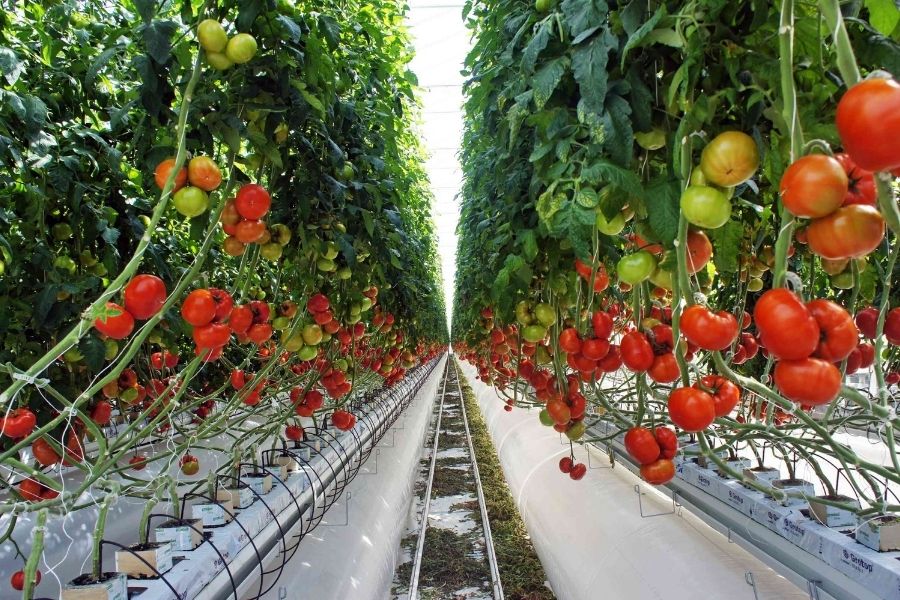
What Is Soilless Tomato?
Soilless tomato cultivation is an agricultural method in which tomatoes are grown in alternative growing media instead of traditional soil. In this method, plants develop their roots in an inorganic medium, typically within a system filled with a special nutrient solution. The advantages of this technique include more efficient use of water and nutrients, better control over diseases and pests, reduced land usage, and preservation of soil quality.
One commonly used method for growing soilless tomatoes is the hydroponic system. In this system, the plant roots are placed in an inert growing medium, and the required nutrients are delivered to the plants dissolved in water. Since the roots are directly exposed to the nutrient solution, growth conditions can be precisely controlled.
Soilless tomato cultivation is especially preferred in areas with limited agricultural land or poor soil quality. This method allows better monitoring of plant growth, increased productivity, and minimized effects of harmful organisms. However, establishing soilless farming systems requires good planning, appropriate equipment, and proper nutrient solution usage.
How to Build a Soilless Tomato Greenhouse
1. Site Selection and Preparation:
Choose a location considering sunlight and wind exposure. Your greenhouse should benefit from sunlight as much as possible. Clean the area thoroughly and level the ground.
2. Greenhouse Design:
Determine the size and design of the greenhouse. Depending on its type and size, you can choose from various materials and structures such as classic greenhouses, tunnel greenhouses, or semi-open greenhouses.
3. Material Selection:
Decide on the materials for the construction. Metal pipes or PVC pipes are generally used for the frame. For the cover, polyethylene plastic or glass can be chosen.
4. Frame Construction:
Assemble the frame using metal or PVC pipes according to your design. Secure the pipes to a proper foundation. Ensure accurate measurements and solid assembly.
5. Adding the Covering Material:
Once the frame is in place, stretch or fix the plastic or glass covering over it. This will separate the interior of the greenhouse from the external environment and protect the plants.
6. Light and Ventilation:
Install windows or ventilation systems in appropriate locations to ensure adequate sunlight inside. This is necessary for photosynthesis.
7. Growing Medium:
Choose a hydroponic or other soilless system and install the necessary equipment. Learn how to prepare nutrient solutions and grow the plants accordingly.
8. Plant Selection and Sowing:
If you’re growing tomatoes, select suitable tomato varieties. You can start from seeds or seedlings. Ensure proper spacing and support for plant growth during planting.
9. Maintenance and Monitoring:
Water the plants regularly, feed them with nutrient solution, and monitor for diseases. Apply pesticides if necessary.
10. Harvesting and Care:
As the plants grow, they will bear fruit. Harvest the tomatoes regularly once they ripen. Maintain the plants’ health and productivity through consistent care.
Advantages of Soilless Tomato Cultivation
1. More Efficient Nutrition:
In soilless systems, plants absorb nutrients directly dissolved in water. This increases nutrient uptake efficiency, promoting faster growth and better fruit yield.
2. Reduced Water Usage:
Water usage in hydroponic or other soilless systems is better managed. This allows less water consumption compared to traditional soil farming and supports sustainable use of water.
3. Better Disease Control:
Soilless farming reduces the risk of soil-borne diseases. Since roots are placed in water or inert mediums, direct contact with pathogens is minimized, resulting in healthier plants.
4. Fewer Harmful Organisms:
Soil-dwelling pests that can harm plants in traditional farming are less of a concern in soilless systems, as plants do not touch soil directly.
5. Space Efficiency:
Soilless tomato growing can require less space using vertical or horizontal gardening techniques. It's ideal for urban areas or regions with limited agricultural land.
6. Preservation of Soil Quality:
Traditional farming can degrade soil over time. Since no soil is used in soilless systems, issues like erosion, salinity, and soil degradation are minimized.
7. Climate Control:
Greenhouse applications in soilless tomato farming offer better control over temperature, humidity, and light. This allows off-season production or cultivation in diverse climate conditions.
8. Rapid Growth and Early Harvest:
Plants access nutrients more quickly in soilless systems, leading to faster growth and earlier harvests.
9. Higher Yield:
Soilless growing methods can optimize nutrient uptake, offering the potential for greater yields